 ×
×
In modern manufacturing, advertising customization, handicraft processing, and the packaging industry, laser engraving machines have become essential tools for enhancing production efficiency and product value-add. However, with the myriad of models and configurations available on the market, how can businesses select the equipment that best aligns with their needs?
This guide outlines five core dimensions to help you systematically evaluate and choose the right laser engraving machine, ensuring a precise fit and a solid return on investment.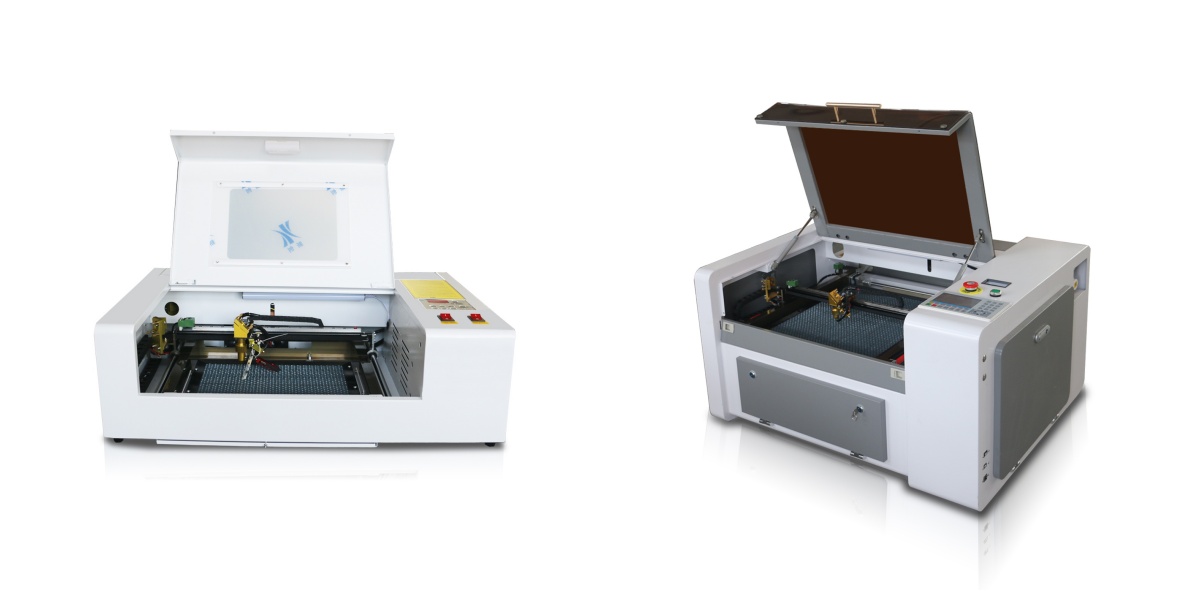
The first step in selecting a laser engraver is not looking at the specifications, but analyzing your target materials. Different materials absorb laser wavelengths differently, which dictates the type of machine required:
● Non-Metallic Materials (e.g., wood, acrylic, leather, double-color boards, fabric, rubber): CO₂ laser engraving machines are the optimal choice. These systems offer high absorption rates for non-metals, delivering clean cut edges and intricate engraving details.
● Metals & Hard Plastics (e.g., stainless steel, aluminum, copper, ABS): A Fiber laser marking/engraving machine is required for these applications.
● Processing Type: Is your primary workflow large-scale cutting or high-precision surface engraving/marking? If you require both, you should opt for a versatile hybrid machine or customize the working table (such as a honeycomb or knife-strip bed) based on your primary business focus.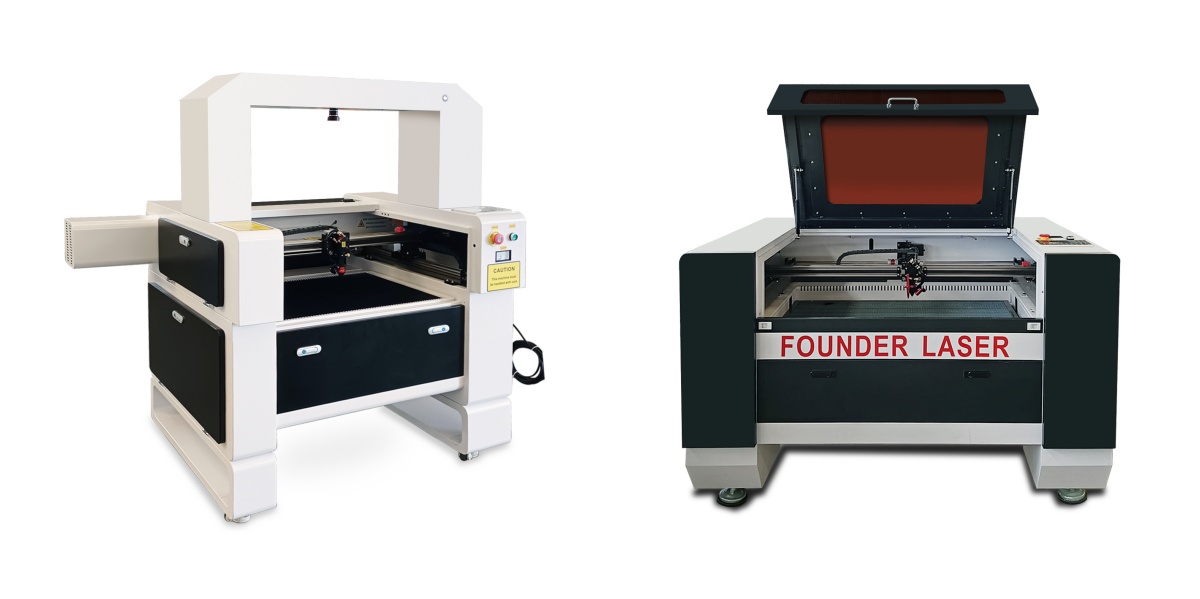
Laser power directly determines processing thickness and speed. Higher power is not always better; instead, it is about "strategic matching":
● Low Power (e.g., 40W - 60W): Ideal for intricate surface engraving, paper cutting, or light wood engraving, offering a finer laser spot.
● Medium Power (e.g., 80W - 130W): Considered the "sweet spot" or golden power range. It delivers high-speed engraving while effortlessly cutting through common material thicknesses (e.g., 5-15mm acrylic and wood). This is the preferred choice for most job shops.
● High Power (150W and above): Primarily engineered for heavy-duty, high-volume cutting of thicker materials.
Selection Tip: Choose low-to-medium power if engraving dominates your workflow, and high power if cutting is your priority. It is generally recommended to select a power rating one tier higher than your current minimum requirement to allow room for future business scaling.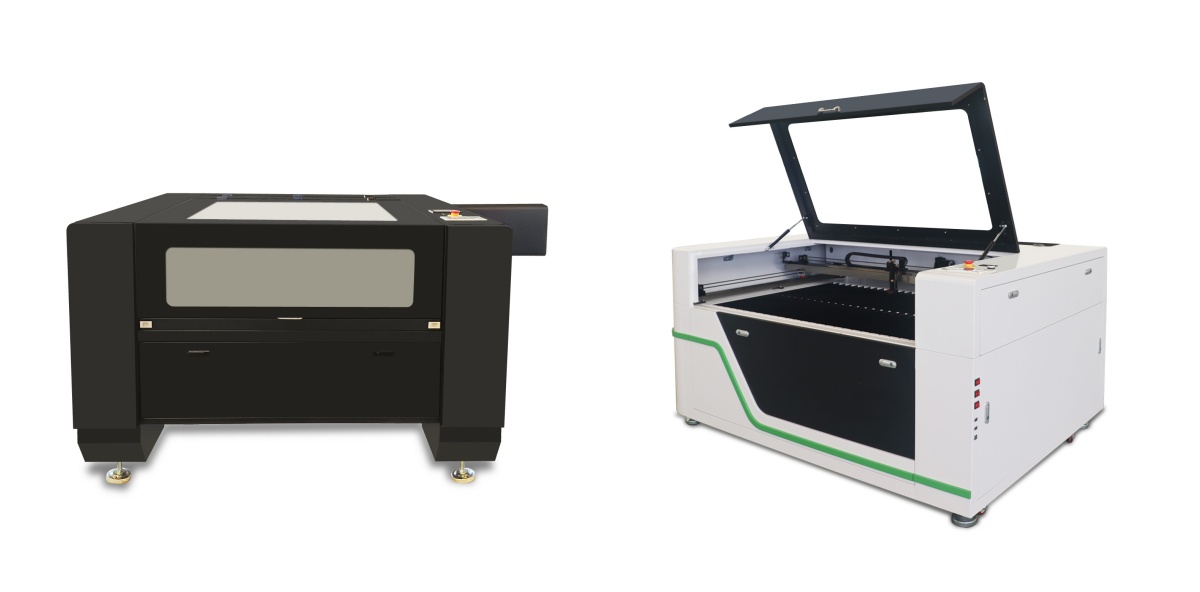
The performance, reliability, and longevity of a laser engraving/cutting machine are determined by several critical "heart" components. Pay close attention to these specifications:
● Laser Source (Laser Tube / Laser Generator): The lifeblood of the equipment. High-quality CO₂ glass laser tubes (such as those featuring catalyst coatings and integrated molding) offer stable output and extended lifespans, while fiber laser sources should come from reputable, tier-one global brands.
● Control System & Software: A robust controller (e.g., Ruida systems) determines the machine's ease of use, compatibility (direct output support for CorelDRAW, AutoCAD, etc.), and advanced features like "resume engraving after power interruption."
● Transmission System (Guide Rails & Motors): Engraving precision relies entirely on the motion system. Utilizing high-precision linear guide rails paired with premium stepper or servo motors ensures smooth, vibration-free, and highly accurate operation even during long periods of high-speed running.
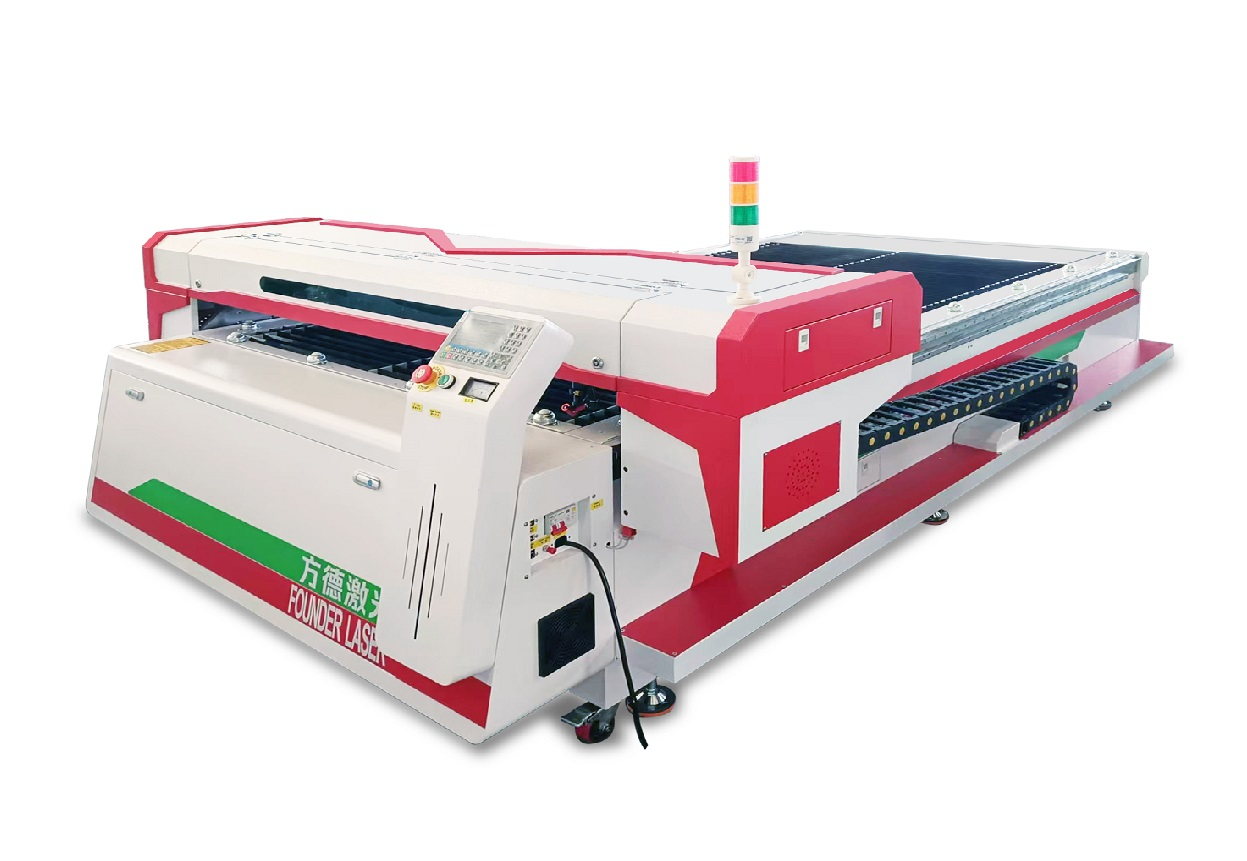
Laser engraving machines are often subjected to prolonged, high-load industrial or workshop environments. Therefore, stability equals productivity:
● Bed Frame Structure: Premium machines utilize a heavy-duty, thickened steel frame that undergoes strict stress-relief heat treatment. A flimsy frame will deform over time, permanently compromising engraving and cutting precision.
● Assembly Craftsmanship: Even with name-brand components, subpar assembly (e.g., misaligned optical paths, disorganized wiring, or poor sealing) leads to frequent downtime.
● Dust Extraction & Cooling Systems: Engraving non-metals generates significant smoke and debris. A well-engineered dust-proof design, combined with a standard industrial water chiller, significantly extends the lifespan of the core optical and electronic components.
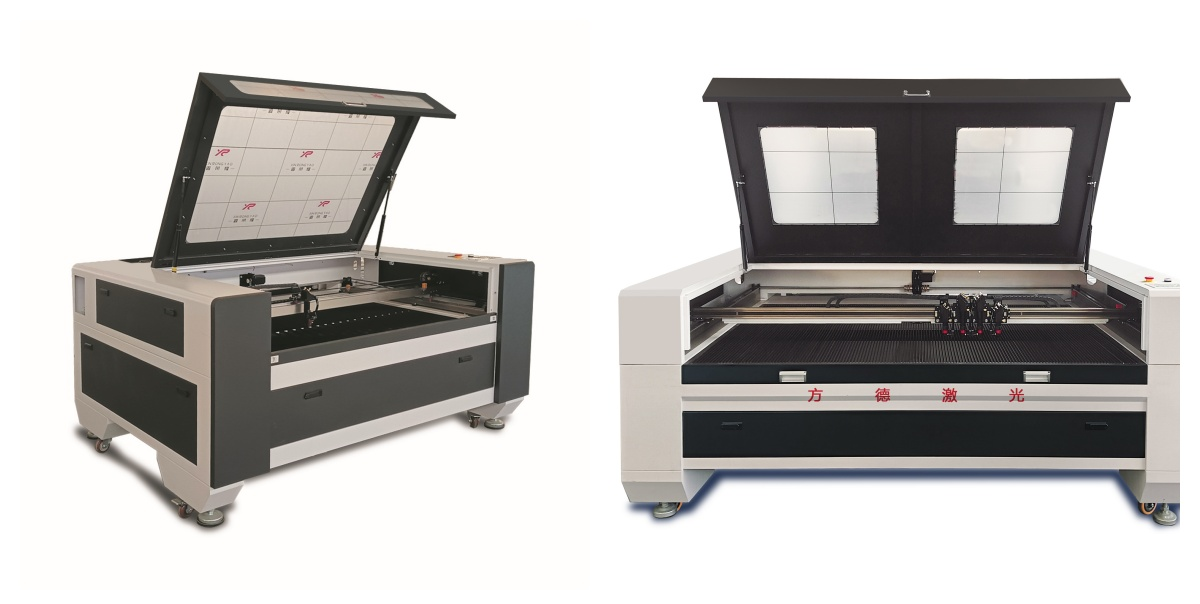
Purchasing a laser machine is an investment in both the product and the partnership. When screening potential manufacturers, evaluate them on the following criteria:
● Expertise and Industry Experience: Prioritize manufacturers with robust in-house R&D capabilities, years of proven industry experience, and a track record of handling international exports or supplying large-scale enterprises.
● Technical Support and After-Sales Responsiveness: Laser systems are precision instruments that occasionally require optical alignment or software troubleshooting. It is vital to choose a manufacturer capable of providing rapid online technical guidance or reliable local/remote after-sales support.
● Sample Testing Services: Reputable manufacturers always encourage or offer "sample testing services" before a purchase. Evaluating the actual sample results (checking for burrs on edges or checking depth uniformity) allows the data and quality to speak for themselves.
When choosing a laser engraving machine, chasing the lowest price often traps you in a cycle of high maintenance costs and costly downtime. Conversely, over-specifying leads to unnecessary budget waste. Defining your exact needs, verifying core components, and partnering with an established, technically competent manufacturer is the proven formula to ensure your equipment becomes a highly profitable asset.
If you have questions regarding configuration or model selection, please contact our official technical advisors. We offer complimentary material sample testing and tailored industry solutions to help your business hit the ground running!


 EN
EN


