
 EN
EN


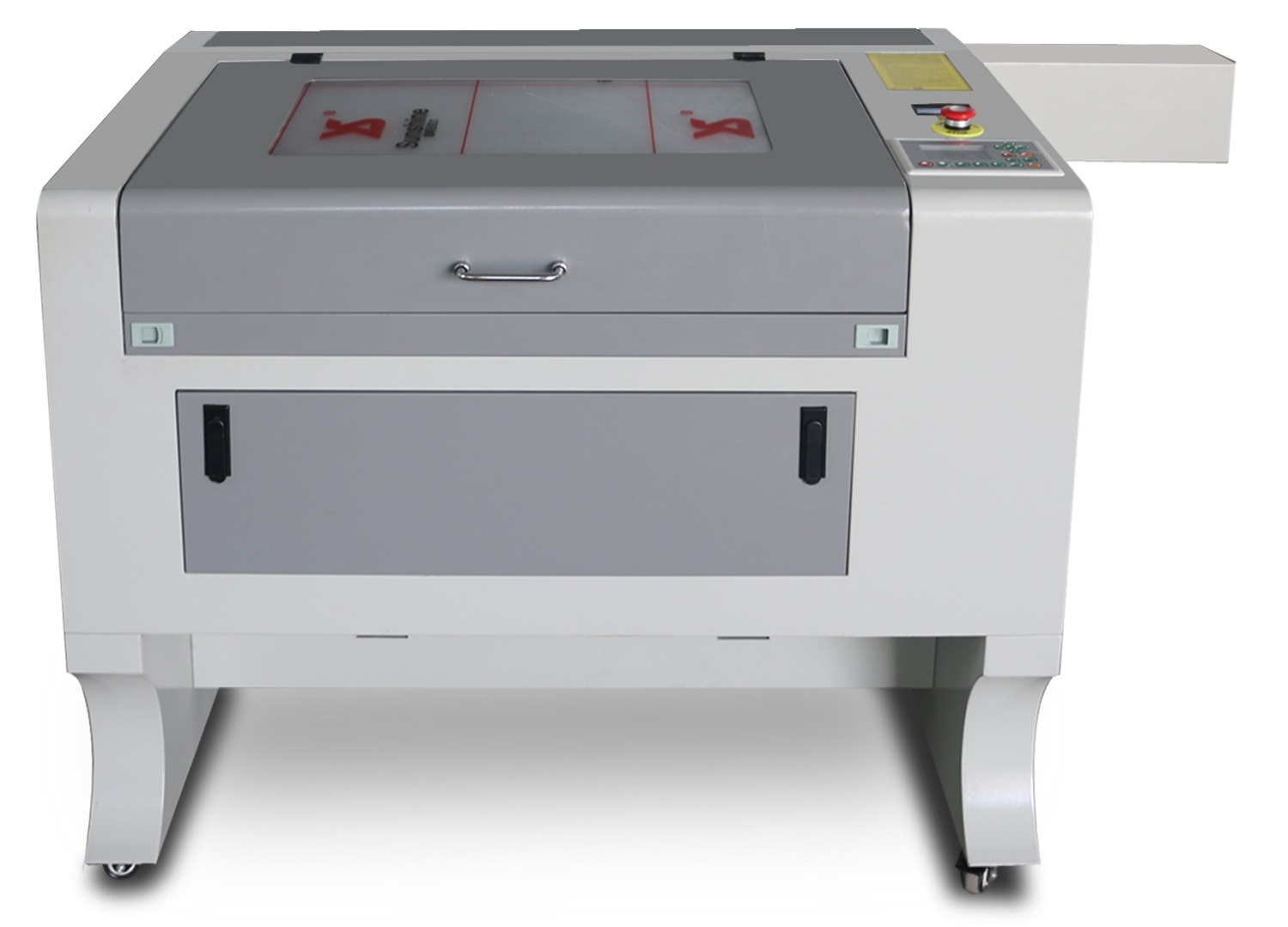
Achieving absolute perfection in CO2 laser engraving and cutting begins with one critical operational foundation: beam alignment. When the laser beam travels from the source, bounces off mirrors, and finally hits the material through the lens, every tiny deviation compounds. Many operators find themselves frustrated by uneven cutting depths or distorted engravings, often blaming the laser tube or the software settings. In reality, the culprit is almost always the optical path. Ensuring that the beam hits the center of every mirror and remains perpendicular to the workspace is what separates high-yield industrial performance from amateur-grade frustration. Maintaining this precision is not merely a task but a core requirement for any serious production environment.
Understanding the Physics Behind Optical Precision
The journey of a laser beam is deceptively simple, yet remarkably unforgiving. The beam originates from the tube and must navigate a series of mirrors—commonly three—before arriving at the focus lens. Ideally, this beam should strike the exact center of each mirror surface regardless of the gantry position. If the beam strikes the edges of an aperture or hits the mirrors at an angle, the beam shape distorts into an ellipse rather than a clean, concentrated circle. This distortion results in inconsistent kerf widths and significant power loss. High-performance systems, such as those engineered by FOUNDER LASER, are designed with rigorous mechanical tolerances to keep these optics perfectly stable, yet even the most robust machines require periodic verification to ensure that vibrations from heavy-duty cycles have not shifted the optical alignment.
A Systematic Approach to Mirror Calibration
Calibrating a laser system effectively requires a methodical process that treats every optical component as part of a single, unified chain. It is best to start from the mirror closest to the laser tube and work forward. Using thermal paper or masking tape at each mirror position helps map exactly where the beam is hitting. The objective here is consistency. If the beam hits the center at the near corner of the machine but drifts to the side at the far corner, the mirrors are not parallel to the axis. This misalignment is the leading cause of failed production runs where one part of the material is cut perfectly while another remains unfinished. A patient, systematic approach to adjusting the mirror mounting screws—making tiny, incremental tweaks—will eventually align the beam perfectly. This calibration process acts as a diagnostic tool, revealing any underlying issues with the gantry frame or mounting hardware that might be hindering peak production quality.
Overcoming Persistent Performance Issues
Sometimes, a machine simply refuses to hold alignment. After exhaustive manual adjustments, if the beam continues to wander, look deeper into the structural integrity of the frame. In budget-tier equipment, the gantry arms may be prone to sagging or the mounting brackets may lack the necessary stiffness to withstand prolonged vibrations. FOUNDER LASER integrates high-precision optical mounts and reinforced chassis designs specifically to mitigate these common structural failures. Beyond the mechanical frame, always scrutinize the mirrors and lens for surface degradation. A pitted mirror or a lens covered in microscopic debris will scatter the laser energy, making it physically impossible to achieve a tight, accurate alignment. Cleaning the optics with proper solvents and high-quality lens tissue is a non-negotiable step before attempting any realignment, as dirty optics often mimic the symptoms of mechanical misalignment.
Maximizing Workshop Throughput and Long-term Value
Why should a business dedicate precious production time to fine-tuning optics? The answer lies in simple economics: efficiency and component lifespan. A perfectly aligned CO2 laser operates with maximum energy transfer, meaning less power is wasted as heat within the tube and more energy is applied directly to the material. This reduces cutting time, lowers energy consumption per unit, and significantly extends the life of the laser tube and the optics. In a professional B2B setting, downtime is the enemy. By prioritizing precise optical maintenance, manufacturing operations ensure that they are getting the full potential out of their capital investment. Reliable equipment from manufacturers like FOUNDER LASER ensures that this alignment holds steady over long operational cycles, allowing shops to focus on high-value output rather than constant machine tinkering.
Reliable Hardware for Professional Industrial Demands
At the end of the day, high-quality production is a result of both skill and the right tools. When optical paths remain stable, the entire workflow becomes more predictable and scalable. FOUNDER LASER understands that industrial operators require more than just a laser cutter; they require a robust, long-term manufacturing partner. By emphasizing durable construction, advanced vibration damping, and an extensive global supply chain for precision-grade replacement components, the brand empowers businesses to maintain uptime at the highest level. Building a reputation for quality depends on the consistency of the finished product, and that consistency is rooted in the precision of the laser beam. Investing in superior hardware and following professional calibration routines creates a seamless, efficient manufacturing experience that keeps the production line moving at maximum capacity.

