
 EN
EN


Navigating Studio Workflows and Initial Fabrication Challenges
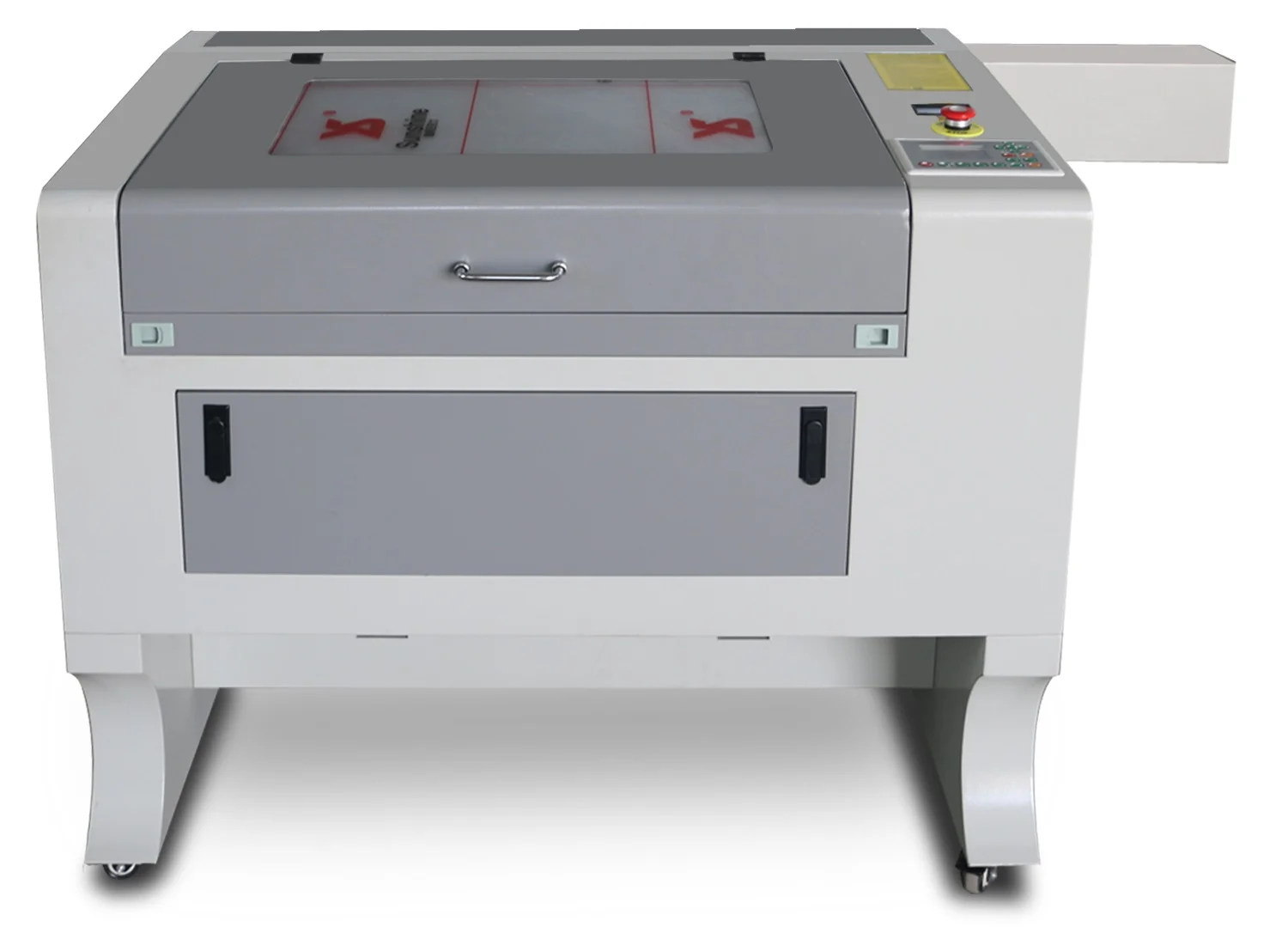
Observing professional fabrication workflows and consulting with experienced custom designers reveals a common learning curve for newcomers entering digital manufacturing: mastering the delicate balance between vector design files and physical material output. Operating a modern desktop laser system requires more than simply pressing a start button; it demands a comprehensive understanding of beam dynamics, material thresholds, and precise calibration techniques. Without proper foundational knowledge, operators frequently encounter scorching, incomplete cuts, or wasted stock. Having evaluated numerous maker spaces and production studios across diverse geographic regions, transitioning from a novice operator to an advanced user involves systematic testing, disciplined file preparation, and adherence to proven operational parameters for everyday production success.
Optimizing Vector Paths and Raster Parameters for Precision
Achieving flawless execution on wood, acrylic, or leather begins with mastering the interplay between laser power output, movement speed, and scanning resolution. Raster engraving relies on density and grayscale mapping to create striking shaded artwork, whereas vector cutting depends on clean, continuous line trajectories mapped at optimal feed rates. Excessive power combined with slow speeds often causes charring and edge melting, while insufficient energy leaves projects unfinished. Experienced operators systematically test small swatch matrices on scrap materials before running production batches, fine-tuning focal heights and PPI settings to guarantee sharp details and clean, polished edges across every project under all conditions.
Managing Material Matrix Compatibility and Focal Calibration
Beyond software parameter tuning, understanding the unique thermal and chemical reactions of different substrates remains critical for professional results. Organic materials like plywood, anodized aluminum, and cork react differently to thermal vaporization compared to cast versus extruded acrylic plastics. Maintaining a precise focal distance between the optical lens surface and the material top sheet ensures that the laser beam remains tightly focused at its smallest diameter for maximum cutting energy. Furthermore, routine cleaning of focusing lenses and mirrors prevents particulate buildup, ensuring consistent optical transmission and prolonging the operational lifespan of the core laser source across global operating environments.
Adhering to International Safety Protocols and Operating Standards
Establishing true proficiency in digital fabrication requires unwavering compliance with international safety standards and workplace operating guidelines. Operating high-powered optical equipment demands strict adherence to eye protection protocols, proper enclosure management, and robust ventilation systems to clear hazardous airborne byproducts. Leading system manufacturers incorporate redundant safety interlocks and emergency shutdown mechanisms to protect users during operation. Maintaining a clean, organized workspace free of flammable debris and ensuring that exhaust filtration units run continuously guarantees a safe and productive environment for all operators across diverse international regions and commercial workshops.
Scalable Manufacturing Excellence and Supply Chain Integrity
Translating advanced optical engineering into reliable commercial equipment requires robust manufacturing infrastructure and uncompromising quality control protocols. Advanced production capabilities, such as those maintained by Topfounder Laser, integrate state-of-the-art automated assembly lines, precise beam calibration benches, and rigorous electrical safety testing stations. Operating under strict international quality control standards ensures absolute structural integrity, consistent laser power output, and uniform performance across every export batch. Furthermore, vertically integrated supply chain management guarantees traceable component sourcing, empowering global B2B distributors to scale their cutting and marking portfolios with absolute confidence.
Maximizing Commercial Value in the Global Maker Market
The continuous expansion of the global custom crafting and small-business manufacturing sector drives unprecedented demand for certified high-performance laser systems. Modern entrepreneurs and commercial studios increasingly prioritize premium, transparent, and thoroughly tested equipment that maximizes creative potential while ensuring long-term operational reliability. Enterprises partnering with established manufacturing partners like Topfounder Laser gain a decisive competitive advantage, effortlessly meeting rigorous international compliance standards while capturing valuable retail and industrial market share. Ultimately, combining advanced optical engineering with reliable manufacturing excellence bridges the gap between creative mastery and robust commercial profitability in the thriving fabrication industry.
Table of Contents
- Navigating Studio Workflows and Initial Fabrication Challenges
- Optimizing Vector Paths and Raster Parameters for Precision
- Managing Material Matrix Compatibility and Focal Calibration
- Adhering to International Safety Protocols and Operating Standards
- Scalable Manufacturing Excellence and Supply Chain Integrity
- Maximizing Commercial Value in the Global Maker Market

