 ×
×
Personalized gifts deliver predictable revenue because customers willingly pay a premium for items that feel one-of-a-kind. A laser engraver can etch names, dates, or custom artwork onto wood, leather, and acrylic with minimal material waste—keeping cost of goods sold extremely low. Wedding keepsakes—bridal party proposals, engraved picture frames, and laser-cut cake toppers—typically sell for $30–$80 per unit, while raw material costs rarely exceed a few dollars. That spread routinely generates gross margins above 65%.
The business benefits from low customer acquisition cost: a single viral Instagram reel showing a heartfelt wedding gift often brings a surge of direct orders without paid advertising. Many operators boost average order value with add-ons like velvet gift boxes or express shipping. Because wedding-related purchases happen in clusters—showers, bachelorette parties, thank-you gifts—a well-timed Etsy listing or pinned Pinterest board becomes a dependable income stream with little ongoing marketing spend.
Pet owners treat their animals as family and rarely hesitate to buy functional yet stylish accessories. Laser-engraved tags, collar charms, and personalized feeding bowls tap into that emotional spending with strong unit economics. A standard aluminum or acrylic tag costs pennies to source and engrave but sells for $15–$25—leaving ample margin after platform fees. The niche demands almost no storage space and ships in a simple padded envelope, keeping overhead minimal.
Demand remains high year-round: tags wear out, pets grow, and buyers return for updated contact details or design refreshes. Scaling is straightforward—many successful sellers use a laser engraver to batch-produce a few core shapes (bone, heart, circle) and swap text settings per order, cutting design time to seconds. Bulk orders from shelters and dog daycares create additional repeat-business channels without complicating the production workflow.
Home decor becomes a semi-passive revenue engine when you build a library of high-quality, shop-tested vector designs. Instead of starting every project from scratch, use proven templates for trending items like layered mandala wall panels, rustic family name signs, and birch-wood map art. Once a design file demonstrates sales traction, reproducing it requires only material loading and a few clicks—labor drops to near zero.
Many entrepreneurs also upload these vetted files to digital marketplaces, earning royalties passively. Material flexibility matters too: a single template works across plywood, acrylic, or slate, enabling product variations without extra design effort. The low per-unit cost and repeatable process turn custom home accents into a steady stream of passive and semi-passive income—especially during seasonal peaks like holiday decor and Mother’s Day gifting.
Selecting the right laser engraver is the single most critical decision for your business’s profitability. The machine type dictates your material range, production speed, and long-term operating costs. Two technologies dominate the entry-to-mid-level market, each serving a distinct business model.
Diode laser engravers are the most accessible and affordable option for new entrepreneurs. Their compact size and low power consumption make them ideal for small-batch personalization on soft materials like wood, leather, and coated metals. With minimal setup and no complex cooling requirements, beginners can start producing custom keychains, ornaments, or phone cases for under $500. While engraving speed is slower than CO₂ alternatives, the per-unit cost for simple, high-detail designs remains highly competitive—making diode technology a low-risk way to test markets and build a portfolio before scaling.
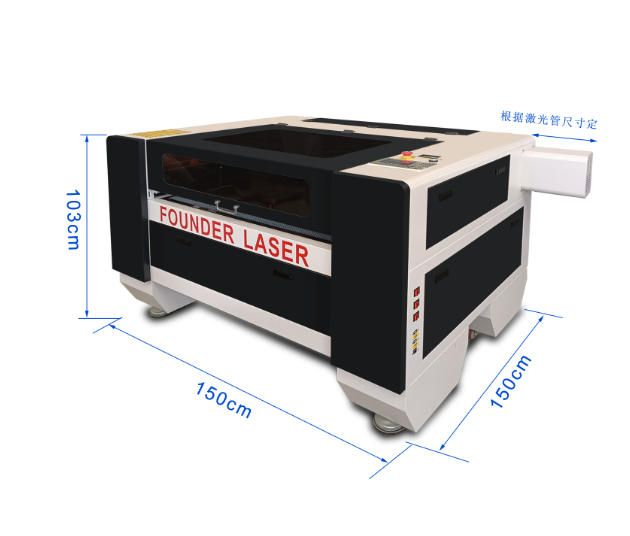
CO₂ laser engravers are the workhorses of profitable small and medium businesses. Their higher power and sealed-tube design deliver clean, fast cutting and engraving on organic materials including wood, acrylic, glass, and leather. According to a 2024 industry benchmarking study by Fabrication Insights, CO₂ lasers account for 72% of all SMB laser engraver revenue. This dominance stems from their ability to handle production runs efficiently: a 40-watt CO₂ unit can engrave a 12-inch wooden plaque in under 10 minutes, drastically reducing labor cost per item. Though the upfront investment is higher, superior throughput and material versatility translate directly into stronger margins for businesses moving beyond one-off customization.
The combination of an Etsy shop and an active Instagram presence creates a powerful feedback loop for laser engraver businesses. User-generated content (UGC)—photos of customers unboxing personalized gifts or wearing custom pet tags—builds trust and acts as social proof. When saved to Instagram Story Highlights, this UGC remains visible beyond the 24-hour window, continuously showcasing quality and versatility. Automated re-engagement tools—such as Etsy’s abandoned cart emails or Instagram’s direct message reminders for past buyers—gently nudge customers back. This integrated approach doubles repeat order rates: according to a 2023 industry survey of creative micro-businesses, fully integrated Etsy–Instagram sellers achieve repeat order rates of 40%, far exceeding the platform average. It transforms one-time buyers into loyal, repeat customers—with minimal advertising spend.
A transparent three-tier pricing structure helps laser engraver operators sustain margins and manage client expectations. Start by calculating a Base Cost covering materials, machine amortization, labor, and overhead. Next, add a Complexity Premium proportional to design intricacy—projects requiring multi-step processing or detailed vector paths justify a higher multiplier. Finally, layer on a Rush Fee (typically 25–50% surcharge) for expedited fulfillment, which protects shop schedules and captures urgency value. This framework keeps pricing logical, supports healthy gross margins often above 50%, and eliminates haggling by itemizing value—not applying flat markups.
Laser engravers offer precision, repeatability, and flexibility across various materials, enabling scalable production and customization at lower costs. They are essential tools for producing items like personalized gifts, pet accessories, and home decor efficiently.
Diode lasers are cost-effective and ideal for beginners looking to target small-scale personalization due to their affordability and simplicity. CO₂ lasers, on the other hand, dominate the SMB segment, offering higher power, efficiency, and versatility for scaling operations.
Using a 3-tier pricing model—base cost, complexity premium, and rush fee—helps balance your margins, enhances transparency, and ensures profitability while adapting to client requirements and project intricacy.
Combining Etsy and Instagram ensures a powerful synergy through user-generated content, automated engagement tools, and repeat business mechanisms. These platforms effectively boost visibility and repeat orders while minimizing advertising costs.
Products like personalized wedding gifts, pet tags and accessories, and unique home decor designs tend to be top-sellers. These items leverage emotional value, utility, and aesthetic appeal to achieve high-profit margins.


 EN
EN


