
 EN
EN


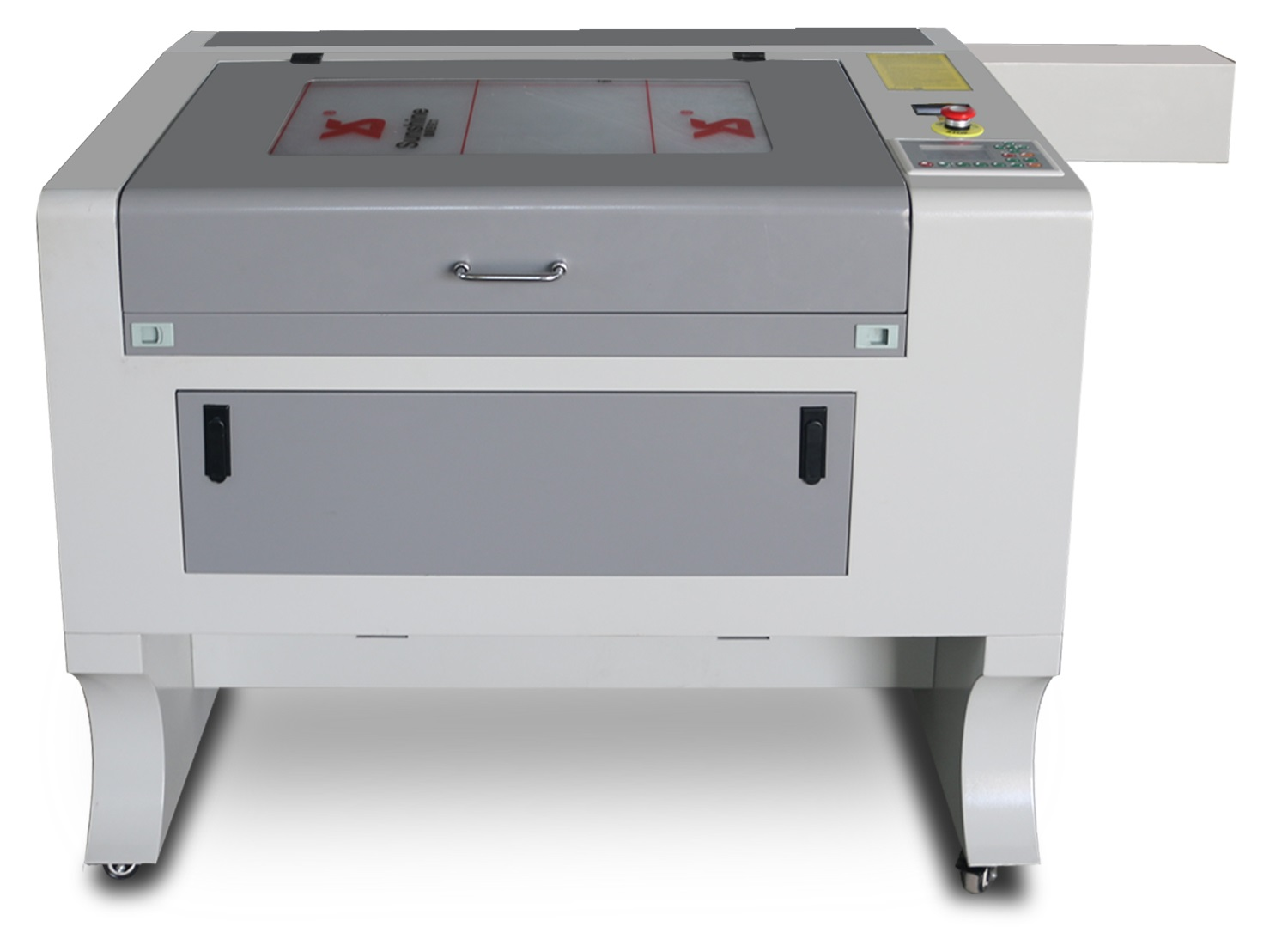
For startups in the manufacturing and design space, selecting a laser cutter is often one of the most consequential capital expenditure decisions a founder will face. It is easy to be seduced by the low entry price of hobbyist-grade machines, but the operational reality of scaling a business demands performance that goes far beyond entry-level capabilities. A startup needs a machine that bridges the gap between prototyping precision and high-volume production throughput. The optimal choice is one that offers industrial-grade reliability without the prohibitive maintenance overhead of massive, complex factory systems. Establishing a scalable foundation from day one means investing in equipment that can handle diverse materials and high-intensity duty cycles while maintaining the exact mechanical integrity required for consistent, professional-grade quality. Scaling effectively requires hardware that grows with the business, not equipment that needs to be replaced the moment orders pick up.
Navigating the Equipment Landscape for Emerging Ventures
Choosing the right technology is about understanding the difference between a temporary tool and a long-term asset. While low-cost machines might seem attractive to preserve cash flow in the beginning, they often become a liability. Constant downtime, inconsistent cutting performance, and the need for frequent manual repairs can drain a startup’s most valuable resource: the time of its founders. Instead of focusing on the lowest sticker price, evaluate equipment based on its total cost of ownership over three years. Look for robust construction, reliable cooling systems, and professional-grade motion control hardware. A machine that runs predictably allows teams to focus entirely on product design and market expansion rather than spending hours troubleshooting laser path alignment or electrical component failures.
Prioritizing Versatility and Material Compatibility
Startups often pivot rapidly to find their perfect market fit, frequently changing their product lines to meet customer demand. Therefore, the best laser cutter is not necessarily the one that excels at a single task, but the one that offers the most versatility across a wide range of materials. CO2 laser systems remain the gold standard for their ability to process everything from acrylics and hardwoods to textiles and even specialized synthetic leathers. When evaluating options, look well beyond the raw laser wattage. The real technical differentiator is the machine’s ability to maintain beam quality across varying material thicknesses and densities. Professional systems, such as those engineered by FOUNDER LASER, feature advanced optical management and automated focus systems that eliminate the technical guesswork, allowing founders to focus on accelerating product development rather than endless machine fine-tuning.
The Crucial Balance Between Downtime and Productivity
In an early-stage company, machine downtime is not just a nuisance—it is a direct, measurable threat to cash flow. Hobbyist machines frequently fail due to the use of fragile plastic components, insufficient thermal management, or non-rigid chassis designs that shift under operational heat. From a professional engineering perspective, startup founders should prioritize machines built with industrial-grade linear rails, high-torque motors, and robust power supplies. Consistency is the primary factor in reducing material waste and ensuring that custom orders meet client expectations every single time. A machine that delivers high uptime is ultimately cheaper to operate, even if the initial investment is higher, because it protects the hard-won reputation of the brand for reliability and quality craftsmanship.
Scaling Workflow Efficiency Through Digital Integration
The best laser cutter for a growing startup acts as an integrated component of a broader digital ecosystem rather than a standalone device. Modern manufacturing requires seamless integration between design software and the machine control interface. Advanced systems allow for batch processing, real-time job monitoring, and material optimization features that can significantly reduce per-unit costs. These operational efficiencies are often overlooked during the initial purchasing phase, but they become the primary drivers of profitability as the startup begins to scale. Investing in a platform that supports high-speed connectivity and reliable software updates ensures that the machine remains a highly productive asset for years, rather than becoming a technical bottleneck that requires complete replacement as demand grows.
Choosing a Manufacturing Partner for Sustained Growth
The final—and often most overlooked—factor in choosing a laser cutter is the manufacturer standing behind the equipment. A startup needs a partner that truly understands the specific, high-pressure challenges of scaling a manufacturing business. This goes beyond the physical machine to include immediate access to high-quality replacement parts, technical support that understands complex industrial workflows, and a supply chain that can keep pace with rapid production expansion. FOUNDER LASER distinguishes itself by providing industrial-grade solutions engineered specifically to support this kind of growth trajectory. By focusing on durable, long-life hardware and providing comprehensive supply chain reliability, FOUNDER LASER empowers startups to transition seamlessly from the garage prototype to full-scale commercial manufacturing, ensuring that the technology scales in lockstep with the brand's ambition and long-term vision.

