
 EN
EN


The Unmatched Synergy Between CO2 Lasers and Acrylic
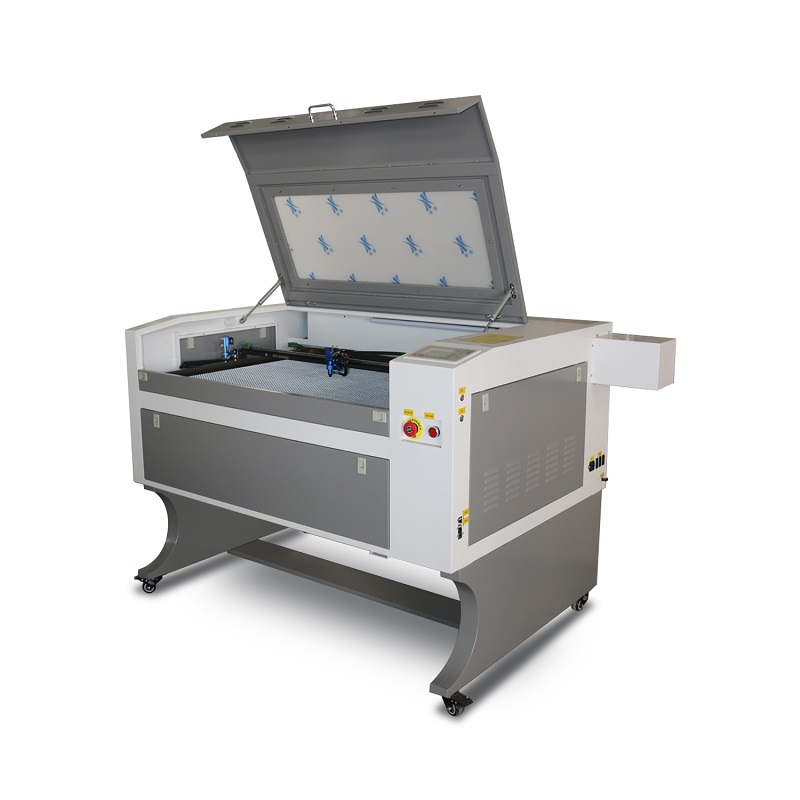
Getting the most out of an acrylic fabrication project often comes down to one critical decision: the choice of cutting technology. For shops, signage manufacturers, and creative designers everywhere, the CO2 laser cutting machine has long been considered the ultimate tool. It is not just about the raw act of cutting; it is about achieving that signature, crystal-clear edge finish that looks like it has been professionally flame-polished right off the machine bed. Many operators dive into high-volume production without truly appreciating why this specific technology is the gold standard for acrylic materials. Understanding the magic behind a CO2 laser starts with how its specific light wavelength interacts with the polymer chains in acrylic. It is a relationship built on extreme precision, thermal control, and efficiency, forming the bedrock of modern industrial acrylic fabrication. When the optics are dialed in, the quality of the finished output speaks for itself, transforming how a workshop approaches complex, high-margin orders.
The Physics of the Perfect Edge
The secret behind the absolute dominance of CO2 lasers in the acrylic market lies in their 10.6-micrometer wavelength. This specific infrared frequency is absorbed with remarkable efficiency by acrylic (polymethyl methacrylate), allowing the laser beam to vaporize the material instantly rather than simply melting it. While older methods, like mechanical routing, often leave behind jagged, uneven edges that demand time-consuming, labor-intensive sanding or buffing, a well-calibrated CO2 laser produces a clean, glass-like edge every single time. Technicians often refer to this as the "flame polishing" effect, and it provides a massive competitive advantage for businesses that demand high-end, showroom-quality results. By controlling the heat-affected zone with surgical precision, operators can ensure that every cut preserves the material's original structural integrity and visual brilliance, which is absolutely vital for luxury retail displays, light-diffusing panels, and high-precision architectural components.
Efficiency Gains and Throughput Optimization
In a modern, fast-paced manufacturing landscape, time is undeniably the most valuable commodity. Integrating a high-performance CO2 laser system drastically reduces the total turnaround time for complex custom orders. Unlike traditional mechanical routers, which rely on physical cutting bits that dull over time and require frequent, costly replacements, a laser system operates as a non-contact process. There is zero physical force applied to the delicate acrylic sheet during the cutting sequence, which effectively minimizes the risk of material cracking, micro-fracturing, or warping. For high-volume production cycles, this translates into much higher yield rates and significantly reduced material waste. Experienced fabricators know that the ability to transition from complex, intricate vector design files to a perfectly finished product in mere minutes—without ever needing manual deburring—is the cornerstone of a business that scales effectively and thrives under pressure.
Precision in Complex Pattern Fabrication
One of the most profound benefits of advanced CO2 laser systems is their capacity for extreme design complexity that simply cannot be replicated by other means. Whether creating elaborate geometric patterns for high-end interior design panels or tiny, highly detailed components for consumer electronics and jewelry, the laser beam offers a level of focus that is physically impossible to achieve with a rotary bit. The deep software integration allows for the seamless execution of detailed contours, intricate holes, and complex internal geometries in a single, fluid pass. This flexibility enables manufacturers to cater to the most bespoke client requests that would otherwise be cost-prohibitive. For businesses looking to diversify service offerings and capture new, high-margin market segments, the CO2 laser is not just a cutting tool; it is a creative engine that constantly pushes the boundaries of what is possible with acrylic.
Managing Thermal Dynamics for Consistent Quality
While the laser is incredibly efficient, managing thermal dynamics is what separates a good technician from a true master of the craft. Acrylic is sensitive to heat, and if the laser parameters—such as speed, power, and frequency—are not perfectly balanced, there is a risk of creating internal stresses that lead to future part failure. Advanced industrial CO2 systems provide the control necessary to manage these variables dynamically. By utilizing software-based pulse control and optimized gas assist systems, operators can fine-tune the cutting process to suit different acrylic thicknesses and types. This level of technical control ensures that even the most difficult cuts remain consistent from the first piece to the thousandth. It is this depth of technical mastery that builds trust with clients who demand perfection, reinforcing a solid reputation for high-quality, reliable output in every single batch.
Building Long-term Success Through Reliable Engineering
Ultimately, the quality of any finished acrylic work is only as good as the machine producing it. Precision in acrylic fabrication requires systems that offer consistent beam delivery, robust frame stability, and superior optical alignment. When dealing with premium materials, even minor fluctuations in power or mechanical precision can lead to costly material loss and damaged client relationships. Choosing an industrial-grade system from FOUNDER LASER means investing in the engineering reliability that protects production standards every single day. With a steadfast focus on structural integrity and advanced, industry-leading optical technology, equipment from FOUNDER LASER is meticulously designed to handle the rigorous, punishing demands of continuous industrial output. By partnering with a provider that prioritizes technical excellence, innovation, and a rock-solid supply chain, fabricators can focus entirely on design creativity and growth, confident that the production hardware is built to deliver consistently superior results, batch after batch, year after year.

